ESTUDIO A DISEÑO FINAL DEL PROYECTO AGRICOLA: PRODUCCION DE NUEVAS VARIEDADES DE MAIZ HIBRIDO PARA LA COMUNIDAD CARAPARIRENDA
Descripción General
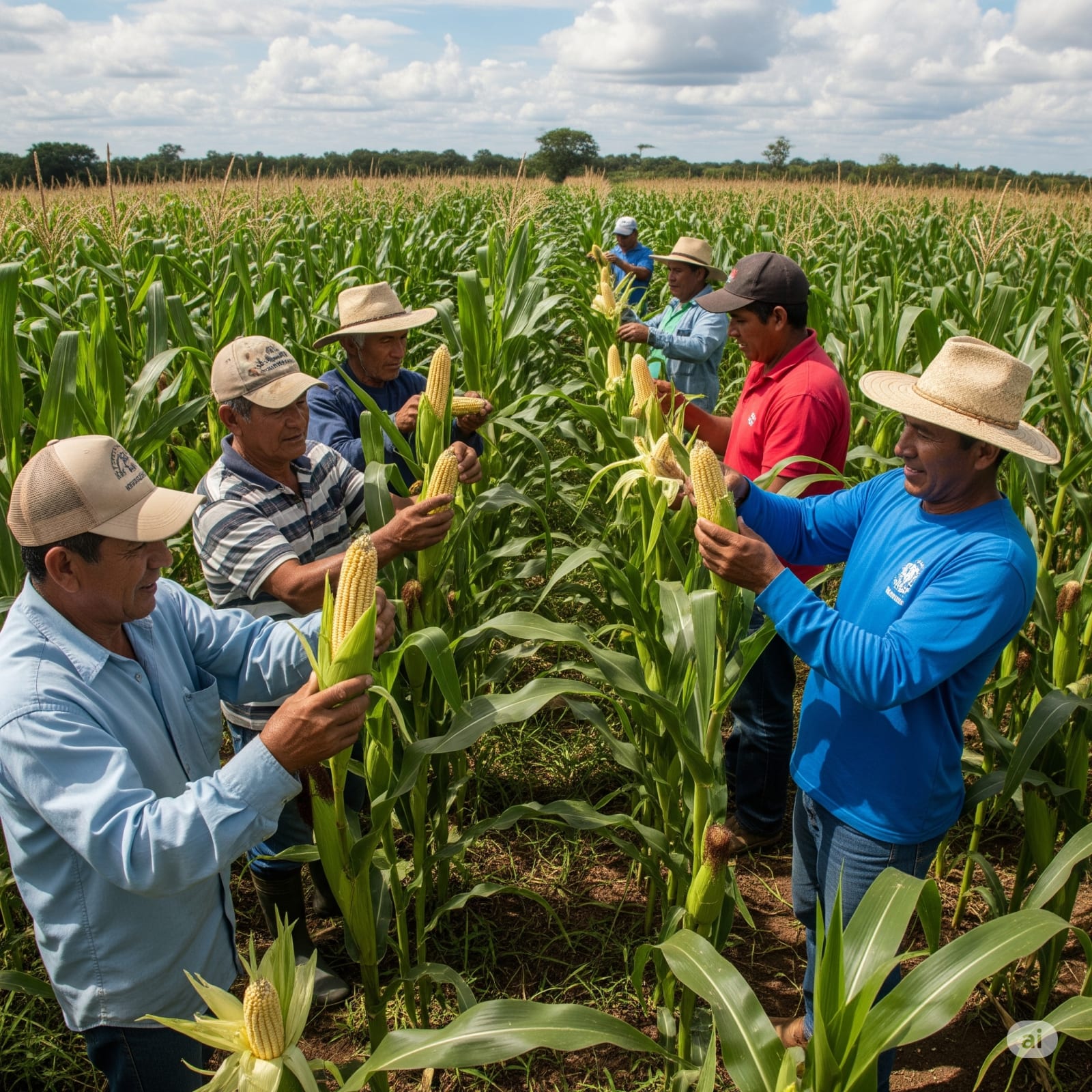
El proyecto agrícola enfocado en la producción de nuevas variedades de maíz híbrido para la comunidad de Caraparirenda tiene como objetivo principal mejorar la seguridad alimentaria y aumentar la productividad agrícola en la región. A través de un estudio exhaustivo, se identificaron las características de las variedades de maíz que mejor se adaptan a las condiciones climáticas y edáficas locales, así como las necesidades y preferencias de los agricultores de la comunidad. La investigación incluyó la selección de parentales con rasgos deseables, asegurando así un rendimiento óptimo y resistencia a plagas y enfermedades. El diseño final del proyecto contempla la implementación de un plan de cultivo que se basa en prácticas agrícolas sostenibles y en la capacitación de los agricultores sobre técnicas modernas de siembra y manejo de cultivos. Se prevé la realización de ensayos de campo para evaluar el desempeño de las nuevas variedades de maíz, así como la recolección de datos sobre su rendimiento, calidad y adaptabilidad. Asimismo, se establecieron vínculos con instituciones de investigación y organizaciones agrícolas para facilitar el acceso a recursos y tecnologías que potencien el éxito del proyecto. Finalmente, se fomentó la participación activa de la comunidad en todas las etapas del proyecto, desde la planificación hasta la cosecha, promoviendo un enfoque colaborativo que fortalezca la cohesión social y el desarrollo local. El proyecto no solo tiene el potencial de mejorar la producción de maíz en Caraparirenda, sino que también puede servir como modelo replicable en otras comunidades rurales que enfrentan desafíos similares en la agricultura.
Galería

Área Técnica
Agroindustria y Agropecuaria
Tipo de Servicio
CONSULTORÍA
Ubicación
Chuquisaca, Bolivia
Período
2013 – 2014
ESTUDIO A DISEÑO FINAL DEL PROYECTO AGRICOLA: PRODUCCION DE NUEVAS VARIEDADES DE MAIZ HIBRIDO PARA LA COMUNIDAD CARAPARIRENDA
KRETCO S.R.L.
Chuquisaca – Bolivia
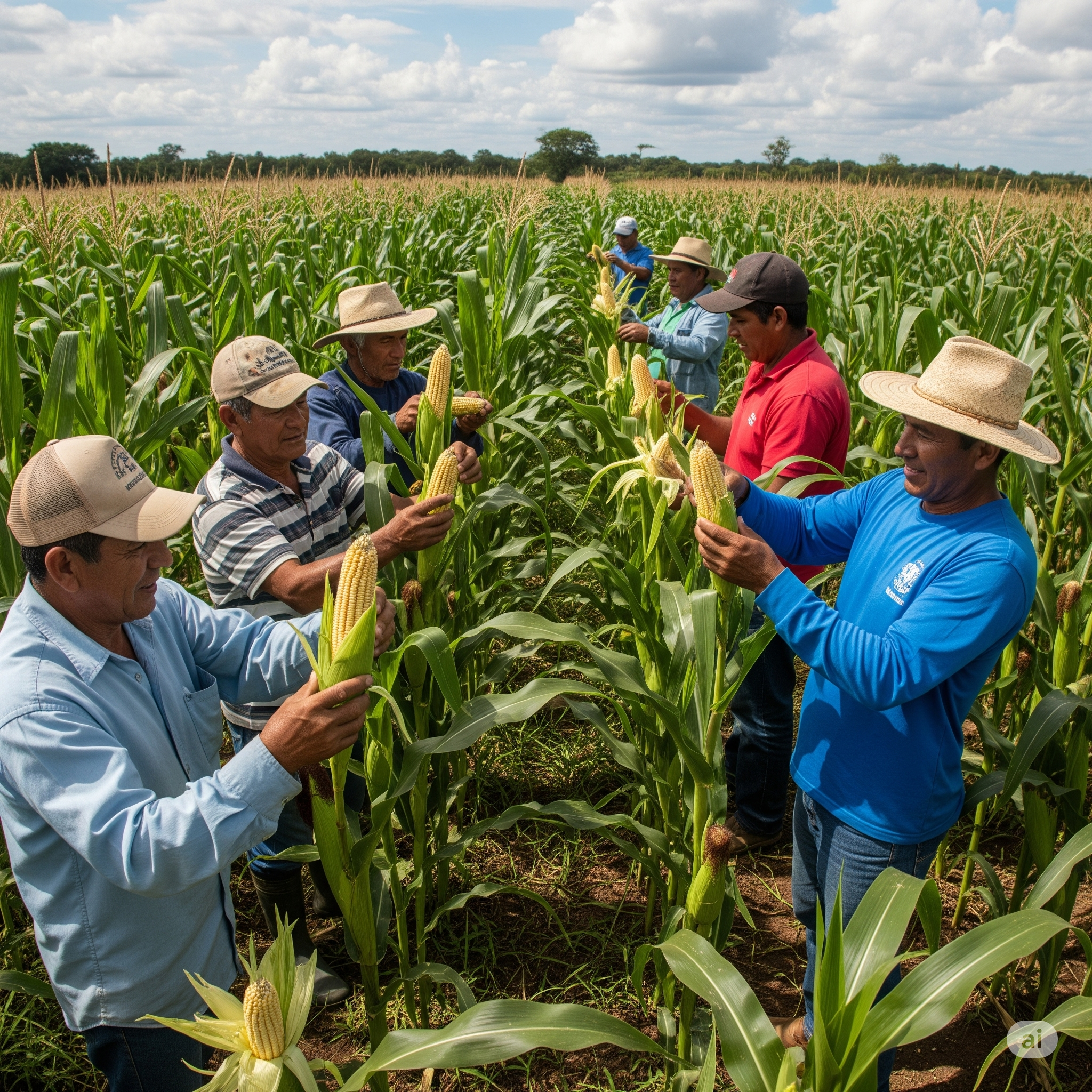
El proyecto agrícola enfocado en la producción de nuevas variedades de maíz híbrido para la comunidad de Caraparirenda tiene como objetivo principal mejorar la seguridad alimentaria y aumentar la productividad agrícola en la región. A través de un estudio exhaustivo, se identificaron las características de las variedades de maíz que mejor se adaptan a las condiciones climáticas y edáficas locales, así como las necesidades y preferencias de los agricultores de la comunidad. La investigación incluyó la selección de parentales con rasgos deseables, asegurando así un rendimiento óptimo y resistencia a plagas y enfermedades. El diseño final del proyecto contempla la implementación de un plan de cultivo que se basa en prácticas agrícolas sostenibles y en la capacitación de los agricultores sobre técnicas modernas de siembra y manejo de cultivos. Se prevé la realización de ensayos de campo para evaluar el desempeño de las nuevas variedades de maíz, así como la recolección de datos sobre su rendimiento, calidad y adaptabilidad. Asimismo, se establecieron vínculos con instituciones de investigación y organizaciones agrícolas para facilitar el acceso a recursos y tecnologías que potencien el éxito del proyecto. Finalmente, se fomentó la participación activa de la comunidad en todas las etapas del proyecto, desde la planificación hasta la cosecha, promoviendo un enfoque colaborativo que fortalezca la cohesión social y el desarrollo local. El proyecto no solo tiene el potencial de mejorar la producción de maíz en Caraparirenda, sino que también puede servir como modelo replicable en otras comunidades rurales que enfrentan desafíos similares en la agricultura.