
ESTUDIO DE IDENTIFICACION Y ESTUDIO TECNICO, ECONOMICO, SOCIAL Y AMBIENTAL CONSTRUCCION DEL AEROPUERTO DE CAMIRI
Descripción General
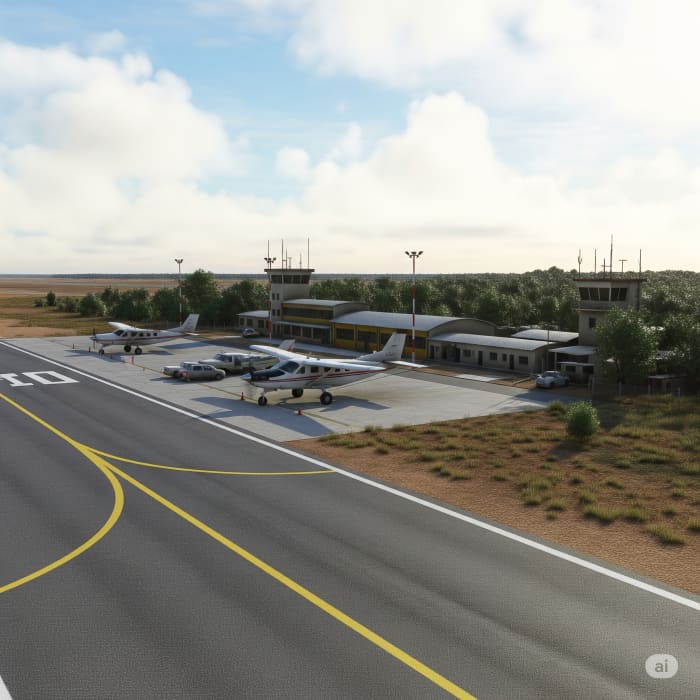
Este proyecto consistió en el Estudio de Identificación (EI) y Estudio Técnico, Económico, Social y Ambiental (TESA) para la futura construcción y modernización del Aeropuerto de Camiri. El objetivo es transformar la conectividad aérea de la región petrolera y ganadera del Chaco boliviano. Diseño Técnico Conceptual del Aeropuerto El diseño preliminar consideró la ampliación de la infraestructura aeronáutica para soportar operaciones más robustas, adaptadas a las condiciones climáticas y geográficas del Chaco. Los componentes clave del diseño incluyeron: Pista de Aterrizaje y Despegue (RWY): Evaluación de una pista óptima de 2,200 metros, considerando aeronaves de referencia y la elevación de Camiri (798 m.s.n.m.). Se definió el pavimento rígido y los estudios geotécnicos. Plataforma de Estacionamiento de Aeronaves: Diseño para albergar múltiples aeronaves simultáneamente, incluyendo aviación general y potencial aviación de mayor porte. Calle de Rodaje (Taxiway): Planificación para una circulación eficiente entre pista y plataforma, optimizando la seguridad. Terminal de Pasajeros: Diseño arquitectónico y funcional con áreas de check-in, salas de espera, seguridad, aduanas y recuperación de equipaje. Torre de Control (TWR): Propuesta de ubicación y diseño para visibilidad óptima, equipada con sistemas de comunicación y navegación aérea. Ayudas a la Navegación Aérea (NAVAIDs): Evaluación de sistemas visuales y no visuales (VOR, NDB, ILS) para operaciones seguras bajo diversas condiciones meteorológicas. Edificio de Servicio de Salvamento y Extinción de Incendios (SSEI / Bomberos): Diseño estratégico para equipos y personal, garantizando tiempos de respuesta óptimos. Terminal de Carga Aérea: Planificación de edificio dedicado al manejo de carga, con áreas de almacenamiento, inspección y despacho. Áreas de Apoyo y Servicios: Planificación de hangares, bodegas, depósitos de combustible, parqueos y vías de acceso, entre otros. Análisis de Impacto Integral Se realizó un análisis multidimensional para evaluar la viabilidad y sostenibilidad: Proyección de Demanda Aérea Estudio de Impacto Ambiental (EIA) Análisis de Viabilidad Económica y Social Modelo de Desarrollo Sostenible El estudio promovió un modelo de desarrollo sostenible, equilibrando el impulso económico regional con la protección ambiental. Se diseñaron soluciones adaptadas a las condiciones climáticas extremas del Chaco para garantizar la resiliencia y operación a largo plazo. Este proyecto se proyecta como un catalizador para un crecimiento económico regional del 15%, fortaleciendo la infraestructura logística y comercial de Camiri.
Galería
Área Técnica
Edificaciones
Tipo de Servicio
CONSULTORÍA
Ubicación
Santa Cruz, Bolivia
Período
2014 – 2015
ESTUDIO DE IDENTIFICACION Y ESTUDIO TECNICO, ECONOMICO, SOCIAL Y AMBIENTAL CONSTRUCCION DEL AEROPUERTO DE CAMIRI
KRETCO S.R.L.
Santa Cruz – Bolivia
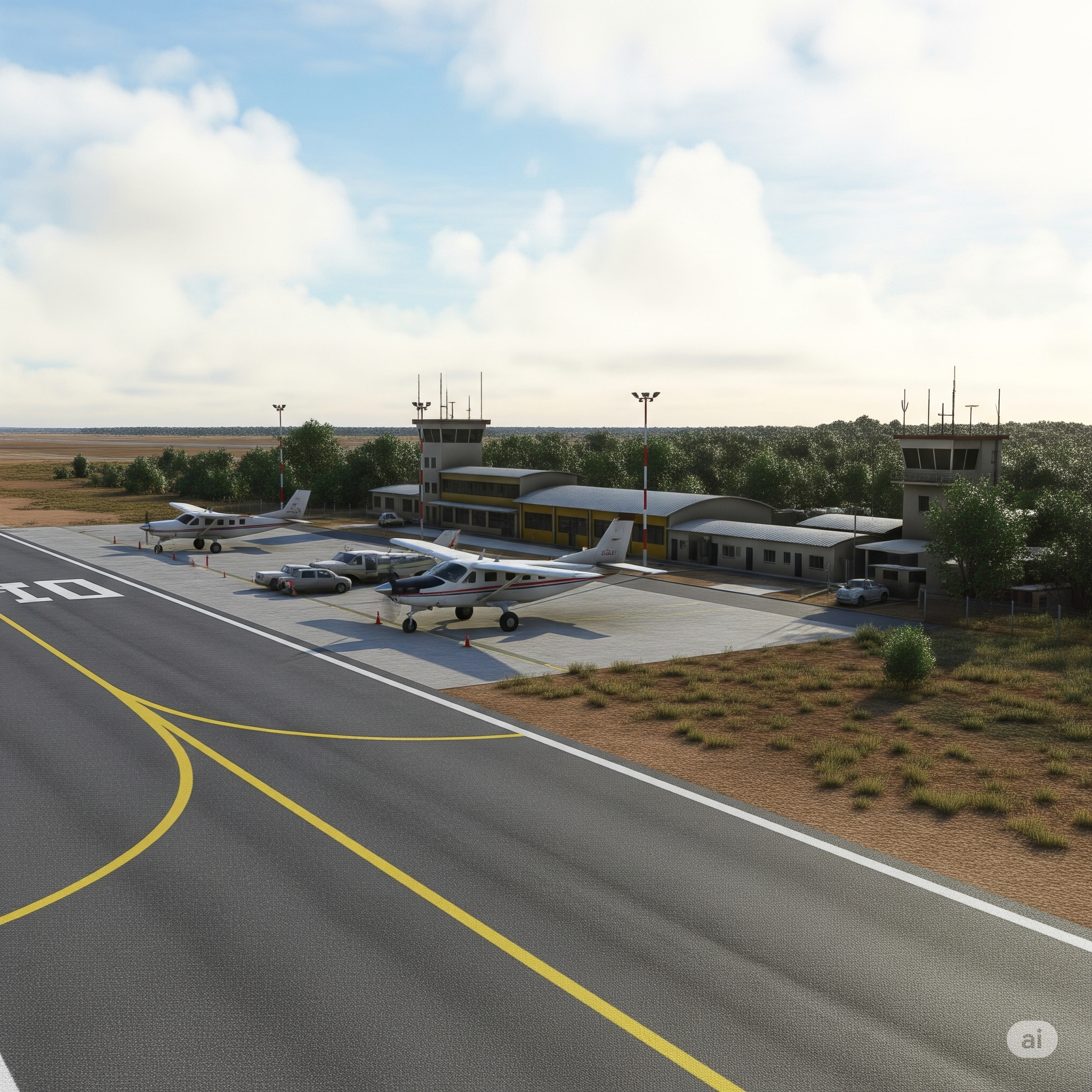
Este proyecto consistió en el Estudio de Identificación (EI) y Estudio Técnico, Económico, Social y Ambiental (TESA) para la futura construcción y modernización del Aeropuerto de Camiri. El objetivo es transformar la conectividad aérea de la región petrolera y ganadera del Chaco boliviano. Diseño Técnico Conceptual del Aeropuerto El diseño preliminar consideró la ampliación de la infraestructura aeronáutica para soportar operaciones más robustas, adaptadas a las condiciones climáticas y geográficas del Chaco. Los componentes clave del diseño incluyeron: Pista de Aterrizaje y Despegue (RWY): Evaluación de una pista óptima de 2,200 metros, considerando aeronaves de referencia y la elevación de Camiri (798 m.s.n.m.). Se definió el pavimento rígido y los estudios geotécnicos. Plataforma de Estacionamiento de Aeronaves: Diseño para albergar múltiples aeronaves simultáneamente, incluyendo aviación general y potencial aviación de mayor porte. Calle de Rodaje (Taxiway): Planificación para una circulación eficiente entre pista y plataforma, optimizando la seguridad. Terminal de Pasajeros: Diseño arquitectónico y funcional con áreas de check-in, salas de espera, seguridad, aduanas y recuperación de equipaje. Torre de Control (TWR): Propuesta de ubicación y diseño para visibilidad óptima, equipada con sistemas de comunicación y navegación aérea. Ayudas a la Navegación Aérea (NAVAIDs): Evaluación de sistemas visuales y no visuales (VOR, NDB, ILS) para operaciones seguras bajo diversas condiciones meteorológicas. Edificio de Servicio de Salvamento y Extinción de Incendios (SSEI / Bomberos): Diseño estratégico para equipos y personal, garantizando tiempos de respuesta óptimos. Terminal de Carga Aérea: Planificación de edificio dedicado al manejo de carga, con áreas de almacenamiento, inspección y despacho. Áreas de Apoyo y Servicios: Planificación de hangares, bodegas, depósitos de combustible, parqueos y vías de acceso, entre otros. Análisis de Impacto Integral Se realizó un análisis multidimensional para evaluar la viabilidad y sostenibilidad: Proyección de Demanda Aérea Estudio de Impacto Ambiental (EIA) Análisis de Viabilidad Económica y Social Modelo de Desarrollo Sostenible El estudio promovió un modelo de desarrollo sostenible, equilibrando el impulso económico regional con la protección ambiental. Se diseñaron soluciones adaptadas a las condiciones climáticas extremas del Chaco para garantizar la resiliencia y operación a largo plazo. Este proyecto se proyecta como un catalizador para un crecimiento económico regional del 15%, fortaleciendo la infraestructura logística y comercial de Camiri.